

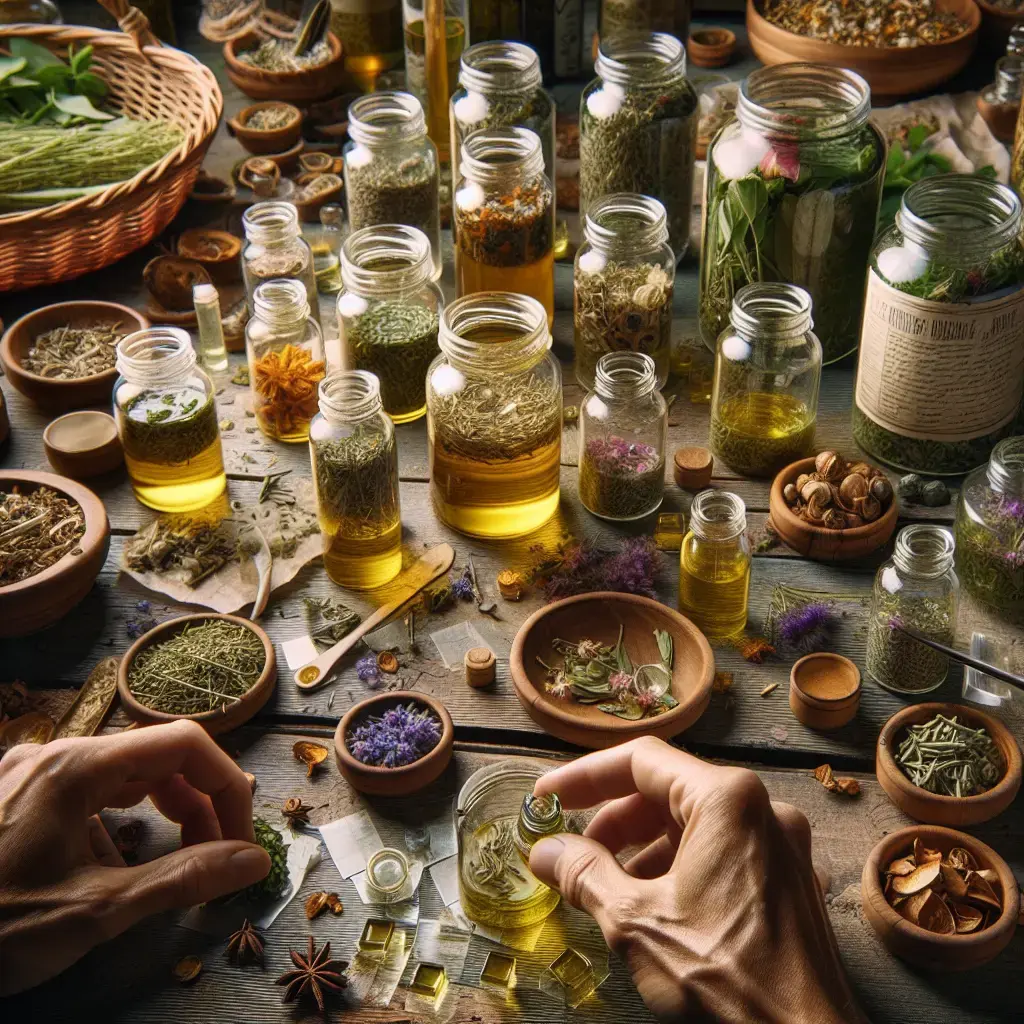
In today's fast-paced world, taking a moment to indulge in a soothing DIY spa day at home can offer much-needed respite and rejuvenation. Among the myriad of homemade beauty products that promise to elevate your self-care routine, DIY herbal infused body oils stand out as a delightful blend of nourishment and nature. These luxurious concoctions, crafted from organic body oils and essential oils for skin health, provide a sanctuary for both the skin and senses. Infusing herbal oils for skin not only transforms them into potent natural skincare recipes but also elevates your DIY beauty routine with rich, nourishing skin oils DIY enthusiasts swear by.
Delving into the art of herbal oil infusion techniques opens a world of DIY skincare ideas where homemade herbal body oils become tailored solutions for personal skin needs. The benefits of herbal infused oils extend beyond mere hydration; they offer herbal skincare solutions that embrace the essence of nature's bounty. Whether you're exploring DIY body oil recipes or perfecting natural oil infusion methods, these natural body oil blends promise to enrich your skin with herbal oil benefits for skin that are truly remarkable.
For those passionate about DIY beauty tips, crafting these nourishing elixirs is an exercise in creativity and wellness. As you explore the delicate balance of ingredients in these organic body oils DIY projects, you'll discover a realm of homemade skin nourishment that speaks to both the novice and seasoned enthusiast. As we delve deeper into the world of herbal infused oils, prepare to unlock the secrets to radiant skin with every drop.
In an era where wellness and self-care are paramount, DIY herbal infused body oils have emerged as a cornerstone in holistic beauty routines. With their roots in ancient herbal practices, these nourishing skin oils DIY enthusiasts love are making a modern-day comeback. This trend isn't just about pampering oneself—it's about embracing natural skincare recipes that align with sustainable living and personal well-being.
At the heart of crafting homemade herbal body oils lies the art of herbal oil infusion techniques. This process involves steeping herbs in a carrier oil to extract beneficial compounds, thus creating a potent blend enriched with the essence of nature. The choice of herbs and oils can significantly influence the therapeutic properties of the final product.
Understanding Herbal Infusion Techniques
Choosing the right herbs and oils is crucial. Lavender and chamomile are popular for their calming properties, ideal for a relaxing DIY spa day at home. Calendula and comfrey are often used for their skin-soothing benefits. Carrier oils such as jojoba, sweet almond, and coconut oil are renowned for their ability to deeply moisturize the skin while acting as excellent mediums for infusion.
The methodology involves either cold or heat infusion. Cold infusion is a slow process that preserves heat-sensitive compounds by allowing herbs to steep in oil over weeks, while heat infusion speeds up extraction using gentle heat but may degrade sensitive components.
The benefits of herbal infused oils extend beyond hydration. They offer herbal skincare solutions that provide anti-inflammatory, antimicrobial, and antioxidant properties. For instance, a study published by the Journal of Clinical Aesthetics highlights how essential oils for skin health, like tea tree and rosemary, demonstrate significant antibacterial activity, making them excellent additions to your DIY body oil recipes.
Moreover, according to a 2023 report by Wellness Magazine, incorporating these oils into your skincare routine can help balance the skin's natural oil production, reduce acne, and improve overall skin texture.
Crafting Your Own Natural Body Oil Blends
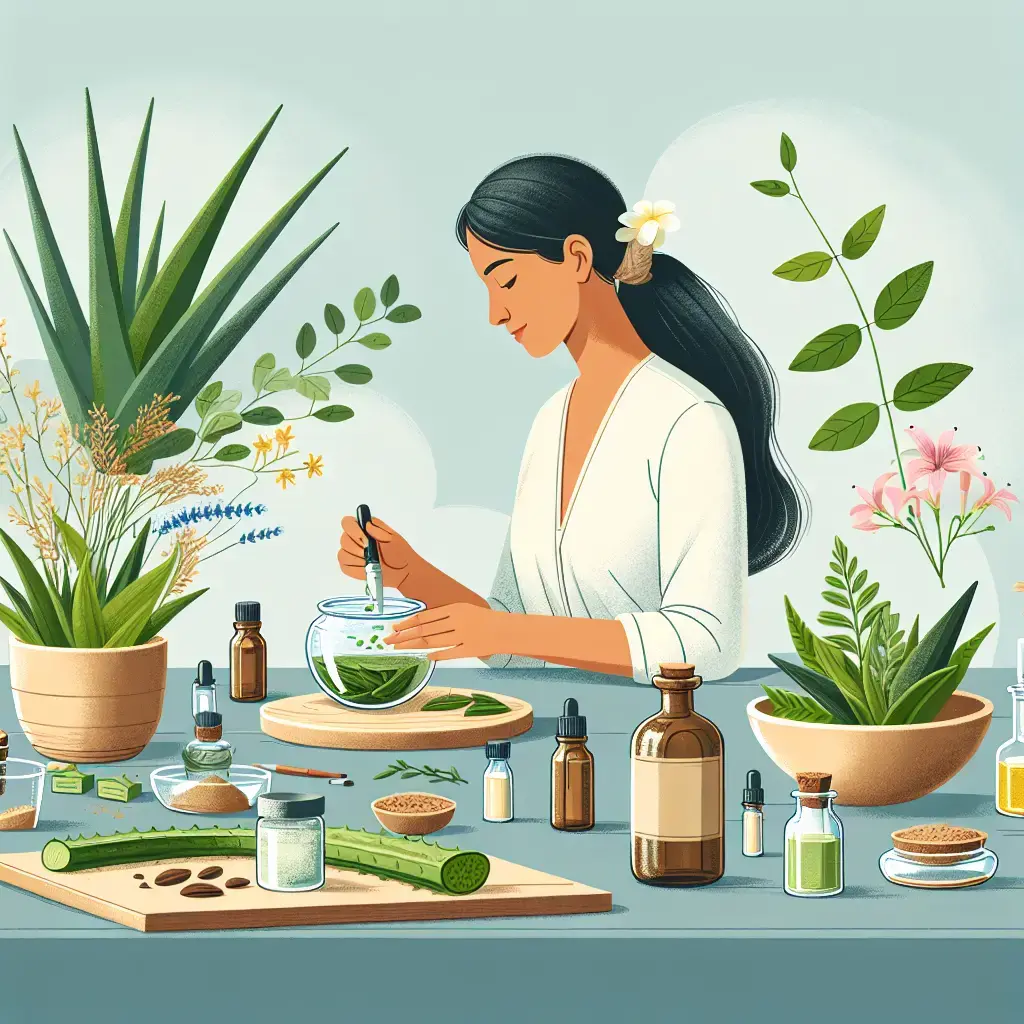
Creating organic body oils DIY-style offers unparalleled personalization. Here's a step-by-step guide to crafting your personalized herbal infused oils for skin:
Identify your skin needs: Oily skin may benefit from a combination of grapeseed oil with tea tree and peppermint. Dry skin types can find relief with olive oil mixed with chamomile and calendula.
Prepare your ingredients: Use dried herbs to prevent spoilage. Choose high-quality, cold-pressed carrier oils for maximum efficacy.
Infusion process: For cold infusion, fill a sterilized jar with your chosen herbs and cover them with oil. Seal tightly and store in a warm spot for 4-6 weeks, shaking occasionally. For heat infusion, gently heat the oil with herbs over a double boiler for 1-2 hours, ensuring the temperature remains low to avoid burning.
Strain and store: After infusing, strain the oil through a fine sieve or cheesecloth into a dark glass bottle to protect it from light degradation.

Leave a Comment