

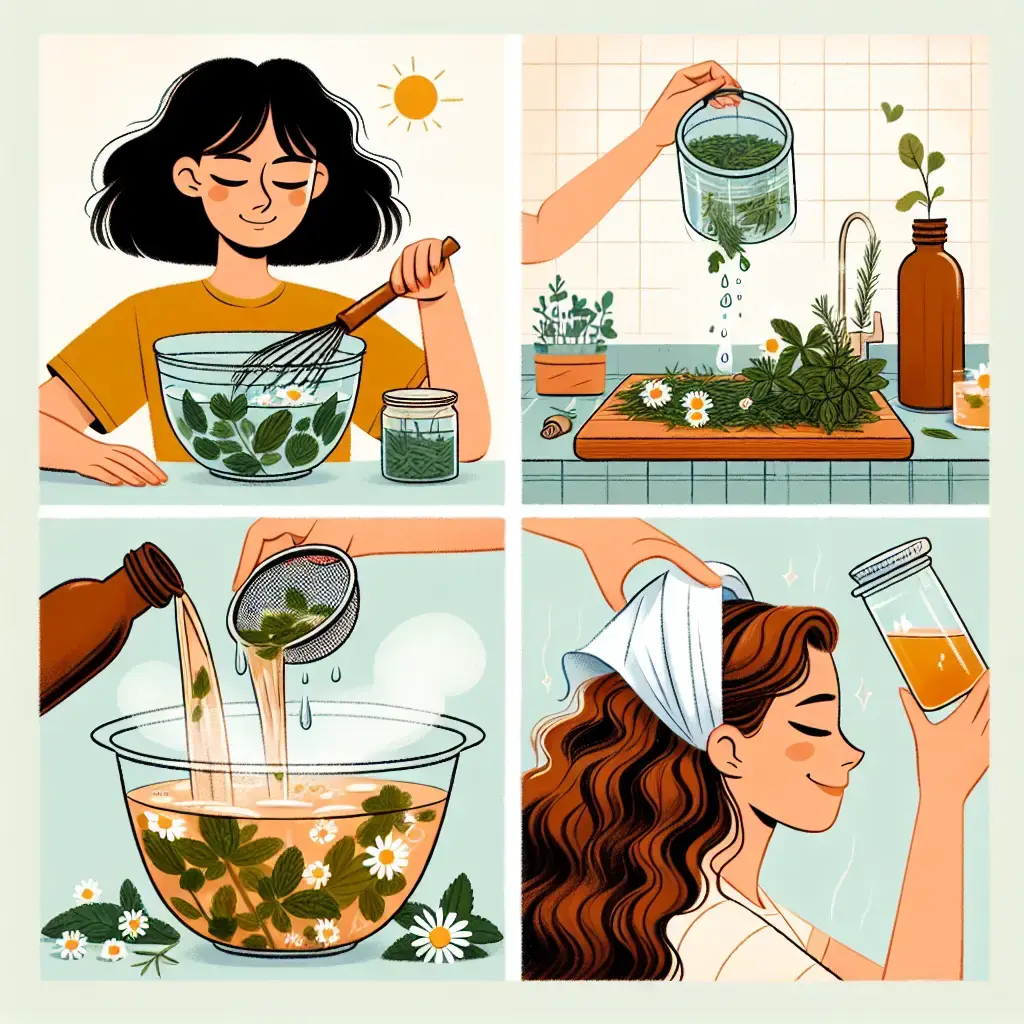
In an age where natural hair care is gaining momentum, creating your own herbal hair rinse offers a personalized and chemical-free approach to hair health. With the rise in popularity of DIY beauty solutions, the process of making a homemade hair rinse has become a satisfying blend of tradition and innovation. Let's delve into the essentials of crafting an herbal hair rinse and explore the many benefits it brings to your natural hair care routine.
Creating a DIY hair rinse begins with understanding the unique properties of natural ingredients for hair. Herbal treatments have been cherished for centuries for their ability to enhance shine, improve scalp health, and strengthen hair strands. Each ingredient harnesses the power of nature, from the soothing essence of chamomile to the invigorating properties of rosemary.
Recent trends highlight the use of bee products in various DIY recipes, showcasing their versatility beyond skincare. While beeswax isn't typically used in hair rinses, honey and propolis often feature in DIY herbal conditioners for their moisturizing benefits (Bee-powered skincare benefits).
Essential oils play a pivotal role in crafting effective herbal hair rinses. These oils not only impart a pleasant aroma but also offer various therapeutic benefits. For instance, lavender oil is renowned for its calming effects on the scalp, while peppermint oil invigorates and stimulates hair follicles. Utilizing essential oils for hair rinse can transform a simple herbal concoction into a luxurious at-home spa experience.
To delve deeper into the benefits of essential oils in natural hair care, consider exploring Sable Yong's insights on K-beauty and DIY extractions, which often incorporate these potent ingredients.
Crafting Your Personalized Hair Rinse Recipe
Creating a hair rinse recipe tailored to your specific needs requires a bit of experimentation. Here’s a simple guide to get you started:
Identify Your Hair Type and Needs: Determine if your hair is dry, oily, or prone to dandruff. This will guide your choice of ingredients.
Select Your Herbs and Essential Oils: Choose herbs and oils that address your specific concerns. For example:
Dry Hair: Use chamomile and lavender for added moisture.
Benefits of Herbal Hair Rinse
Oily Hair: Opt for rosemary and peppermint to balance oil production.
Dandruff-Prone: Incorporate tea tree oil for its antifungal properties.
Prepare Your Rinse: Boil 2 cups of water and add 2 tablespoons of dried herbs. Let it steep for 15-20 minutes before straining. Add a few drops of your chosen essential oils.
Application: After shampooing, pour the rinse over your scalp and hair, massaging it gently. Leave it on for a few minutes before rinsing with cool water.
For those new to this process, a comprehensive herbal hair rinse tutorial can provide step-by-step instructions to ensure success.


Leave a Comment